
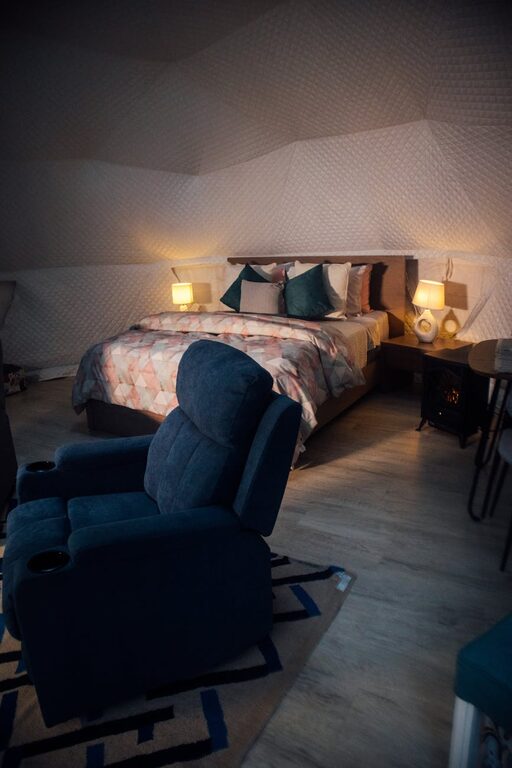
Creating a comfortable and inviting atmosphere at home largely depends on the lighting you choose. Good lighting not only brightens a room but also sets the mood, improves functionality, and enhances your overall wellbeing. However, selecting the perfect lighting can be challenging with so many options available. This guide offers practical tips to help you choose lighting that is both comfortable and stylish for your home.
Understanding the Importance of Comfortable Lighting
Comfortable lighting means light that is gentle on the eyes, adjusts well to the room’s needs, and complements your home’s design. Poor lighting can cause eye strain, headaches, and an unpleasant atmosphere, while good lighting makes spaces feel welcoming and cozy.
Factors That Affect Lighting Comfort
– Brightness Level: Too bright or too dim lighting can be uncomfortable.
– Color Temperature: Warm light tends to be calming, while cool light is energizing.
– Glare and Shadows: Minimizing harsh glare and unwanted shadows is key.
– Flexibility: Ability to adjust light for different activities and moods.
Types of Lighting to Consider
When planning your home lighting, it’s helpful to understand the three main types:
Ambient Lighting
This is the general, overall light in a room. It provides uniform illumination, making the space functional.
– Examples: Ceiling fixtures, recessed lighting, chandeliers.
Task Lighting
Task lighting focuses on specific areas where activities like reading, cooking, or working occur.
– Examples: Desk lamps, under-cabinet lights, reading lights.
Accent Lighting
Accent lighting adds drama and highlights elements like artwork, architectural features, or plants.
– Examples: Spotlights, wall sconces, LED strips.
Using a mix of these types ensures a well-lit, comfortable environment.
Tips for Choosing Comfortable Home Lighting
1. Assess Your Needs by Room
Different rooms serve different purposes, so tailor lighting accordingly.
– Living Room: Use a combination of ambient and accent lighting to create a relaxed environment.
– Kitchen: Focus on bright task lighting for cooking and food prep areas.
– Bedroom: Opt for warm, dimmable lights that promote relaxation.
– Bathroom: Use bright, shadow-free lighting around mirrors.
2. Choose the Right Bulb Type
Light bulbs affect brightness, color, energy efficiency, and longevity.
– LED Bulbs: Energy-efficient, long-lasting, and available in various brightness and color temperatures.
– Incandescent Bulbs: Provide warm light but consume more energy and have a shorter lifespan.
– CFL Bulbs: More efficient than incandescent but contain mercury, so be cautious when disposing.
3. Consider Color Temperature (Measured in Kelvins)
– Warm White (2700K-3000K): Creates a cozy, relaxing atmosphere; ideal for living rooms and bedrooms.
– Neutral White (3500K-4100K): Versatile and natural; good for kitchens and bathrooms.
– Cool White (5000K-6500K): Mimics daylight; suitable for workspaces or areas where visibility is crucial.
4. Use Dimmers for Flexibility
Dimmers allow you to adjust lighting intensity based on time of day or activity, enhancing comfort and saving energy.
– Make sure your bulbs are compatible with dimmer switches.
– Consider smart dimmers for easy control via apps or voice commands.
5. Position Lighting to Reduce Glare and Shadows
– Place lights to avoid direct glare in eyes.
– Use lampshades or diffusers to soften light.
– Combine multiple light sources to eliminate harsh shadows.
6. Embrace Natural Light
Maximize daylight by using light curtains and strategically positioning mirrors to reflect natural light, which can improve mood and reduce the need for artificial lighting during the day.
7. Match Fixtures to Your Decor Style
Choose lighting fixtures that complement your home’s style, whether modern, rustic, vintage, or minimalist. This creates a harmonious and comfortable environment.
8. Plan Layered Lighting
Layered lighting combines ambient, task, and accent lights in a room, allowing you to customize lighting for different occasions and needs.
Common Mistakes to Avoid
– Overlooking the Power of Warm Light: Using only bright, cool lights can feel harsh and clinical.
– Ignoring Task Lighting: Relying solely on ambient light can cause eye strain when doing specific tasks.
– Poor Fixture Placement: Lighting fixtures too close or too far from areas where light is needed cause discomfort.
– Not Considering Energy Efficiency: Choosing lighting that wastes energy increases costs over time.
Final Thoughts
Choosing comfortable home lighting is about balancing functionality, aesthetics, and wellness. By understanding the different types of lighting and considering factors like brightness, color temperature, and fixture placement, you can create a welcoming and pleasant atmosphere that suits your lifestyle. Remember, flexibility through dimmers and layered lighting enhances comfort, while natural light should never be underestimated. With these tips, your home will glow with warmth and charm, providing a cozy space to relax and enjoy.